
Sustainability
Reduce Carbon Emissions In The Apparel Industry
- Enhance energy efficiency during manufacturing and transportation operations
- Adopt sustainable sourcing strategies for raw materials
- Minimize waste through recycling efforts
- Educate employees and customers about the significance of reducing carbon emissions and involve them in sustainability projects
- Collaborate with suppliers and partners to implement sustainable practices and lower their carbon footprints.
Apparel Industry Stable Supply Chain
- Procure raw materials from dependable suppliers
- Forge partnerships with suppliers to guarantee prompt delivery and quality assurance
- Establish a robust logistics system to oversee inventory and transportation
- Develop a risk management strategy to alleviate potential disruptions
- Adopt sustainable practices to ensure ethical and environmentally sound production
- Maintain open communication with suppliers, customers, and all stakeholders in the supply chain to identify and address any issues promptly.
- Ensuring fair and living wages for employees
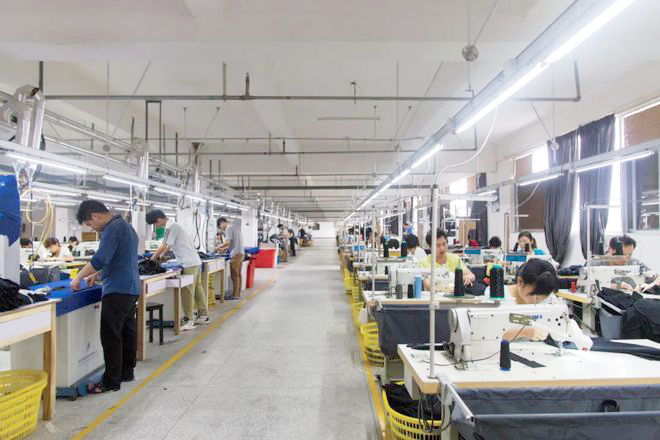
- Enhancing working conditions, encompassing safety, hygiene, and access to resources like water and restrooms
- Adopting policies to prevent child labor and forced labor
- Providing benefits such as health insurance, paid time off, and training programs
- Fostering open communication and allowing workers to express their concerns and grievances
- Regularly conducting audits and assessments of suppliers to verify compliance with labor laws and ethical standards
- Collaborating with stakeholders, including workers, NGOs, and governments, to identify and address issues affecting worker welfare.

Corporate Responsibility